The Complete Tattoo Pain Chart: Where It Hurts Most
Summary
The tattoo pain chart ranks body areas from least to most painful based on nerve ending density, fat padding, and bone proximity. Low-pain zones include the outer thigh, forearm, and upper arm. High-pain zones include the ribs, spine, sternum, inner bicep, and elbow ditch. Your individual biology, hydration, and session length all shift where you land on the scale. Planning placement before you book saves regret.
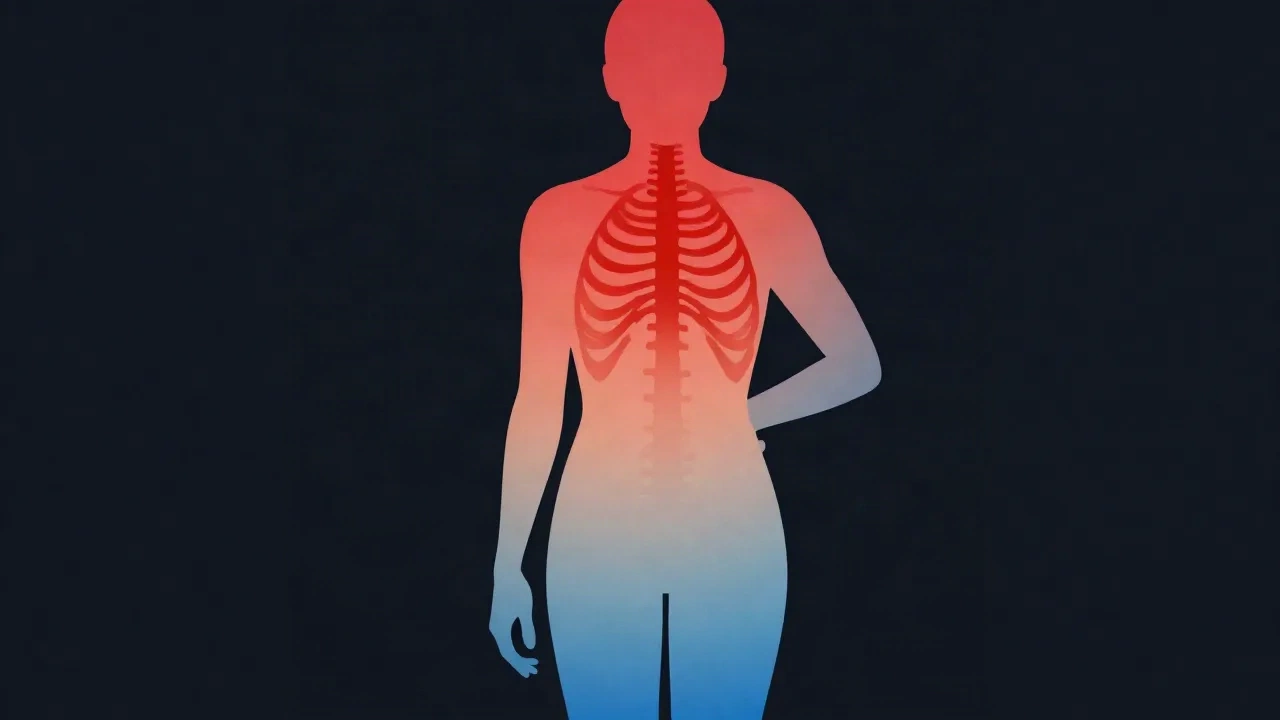
Some spots barely register. Others will have you gripping the armrest. The tattoo pain chart works on a simple principle: areas where bone sits close to the skin and nerve endings cluster hurt more. Areas with thick muscle and fat underneath hurt less. Outer thigh, forearm, and outer shoulder sit at the comfortable end. Ribs, spine, sternum, and hands sit at the other. Everything in between depends on your anatomy and your session length.
How a Tattoo Pain Chart Actually Works
The 1-to-10 pain scale you see on tattoo blogs is useful, but it glosses over the mechanics. Three anatomical factors determine how much a placement hurts.
Nerve ending density. Some areas of the body are packed with sensory receptors. Your hands and fingers have among the highest density of any body part, because they evolved to give you precise feedback about what you are touching. That same sensitivity becomes a liability under a needle.
Fat and muscle padding. Tissue between the needle and the bone absorbs vibration and reduces the scraping sensation. The outer thigh has substantial padding. The shin has almost none.
Bone proximity. When a needle moves over bone, you feel it. Not as sharp pain, but as a deep vibration or buzzing that many clients find harder to tolerate than surface sting. The ribs flex with every breath, which keeps the sensation constant throughout the session.
These three factors combine differently at each placement. That is why an outer arm tattoo on someone with lean muscle can hurt more than the same placement on someone with more natural padding in that area.
The Least Painful Spots to Get Tattooed
These are the placements where clients consistently report the most manageable experience.
Outer thigh. The go-to recommendation for first tattoos. The area has significant fat and muscle padding, relatively sparse nerve endings compared to the inner thigh, and a flat surface your tattooist can work on without awkward angles. Most people rate it 2 to 4 out of 10.
Forearm (outer). Another classic starter placement. The skin here is relatively thick, and the area lacks the dense nerve clusters you find at the wrist or elbow pit. Expect a moderate scratching sensation, not much beyond that.
Outer shoulder and upper arm. A workable surface for large pieces. Sitting still is easy. The muscle padding absorbs a lot of impact. Pain typically stays in the 2-to-5 range, and the flat geometry makes linework precise.
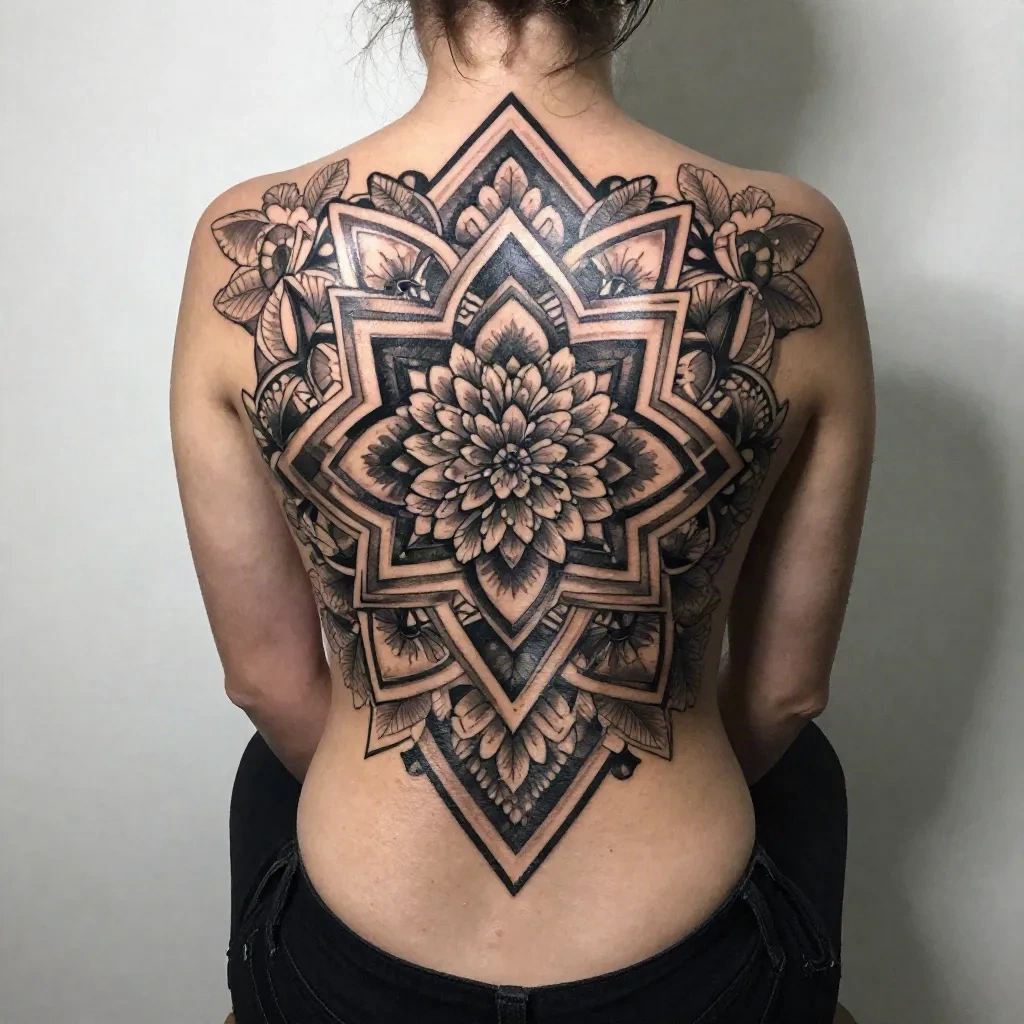
Upper back, away from the spine. Broad back placements that stay clear of the spine and shoulder blades tend to register as low discomfort. The skin is thick, the muscle underneath is substantial, and you can genuinely zone out during the session.
Calf. More padding than the shin, less bone exposure. Long sessions on a calf piece are tolerable for most people, and the natural curve of the muscle suits a lot of design styles.
The Most Painful Areas on the Body
Here is where the honest conversations happen before booking.
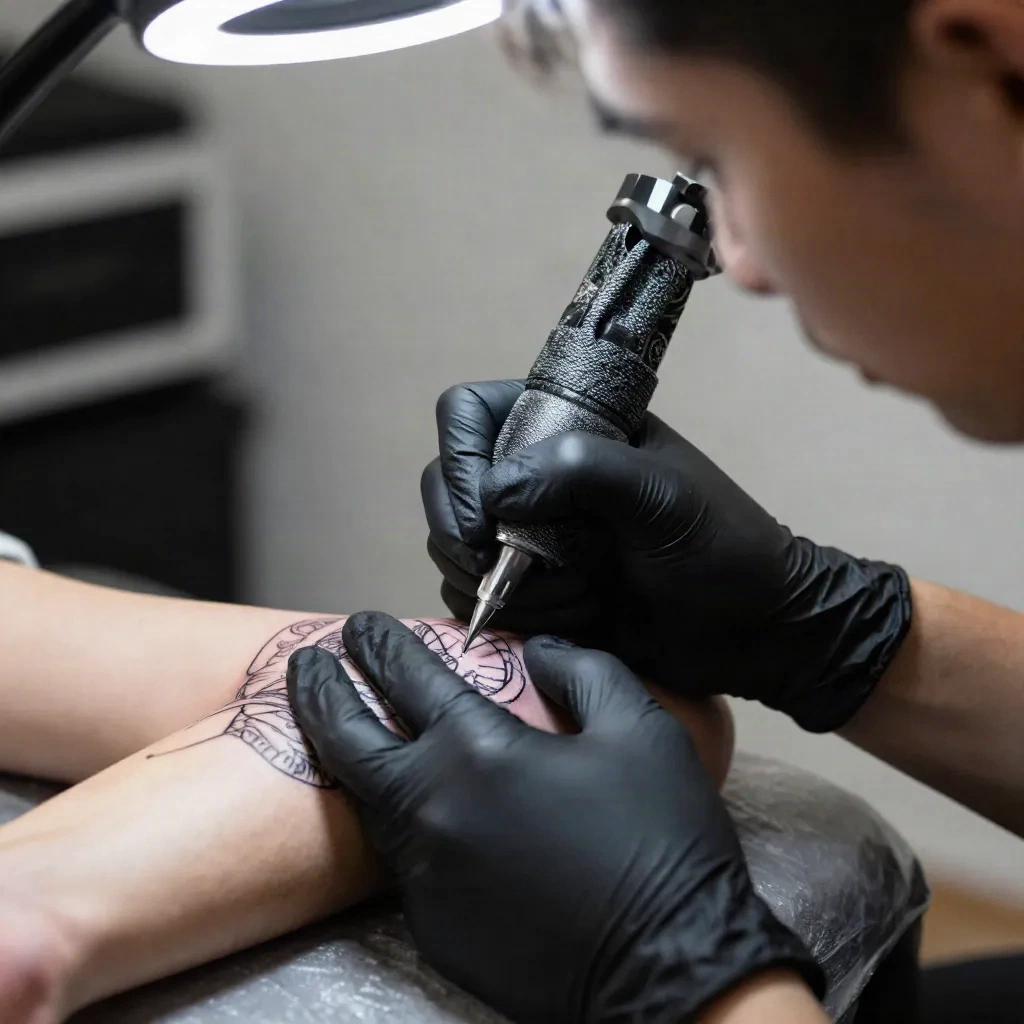
Ribs. Consistently the most cited high-pain placement. Thin skin sits directly over bone, and every breath the client takes moves the target. Sessions on the ribs are technically more demanding for the tattooist too. Expect 7 to 9 on the pain scale. There is no shortcut on the ribs.
Sternum and chest. The breastbone is exposed, vibrates during needle work, and the surrounding skin is thin. The sternum is widely considered the highest-pain placement, especially on leaner clients.
Spine. Tattooing along the spine means working along a column of bone with minimal buffer tissue. The pain tends to radiate outward from the needle point. Sessions here require real mental preparation.
Hands, fingers, and feet. Packed with nerve endings by design. The skin is thin. The bones are right there. Hands and fingers also fade faster than most placements, which means repeat sessions down the road.
Inner thigh and groin. High nerve density, sensitive skin, and proximity to lymph nodes. Pain in this area can feel sharp and unpredictable, even for clients with several tattoos already.
Ditch of the elbow and back of the knee. The folds at joints are thin-skinned and nerve-dense. Sessions here are kept short by necessity.
Neck and head. The scalp, face, and behind the ear amplify sensation. The vibration travels through the skull, adding a different type of discomfort on top of the standard needle contact. Behind-the-ear placements are small but intense.
Ankle and shin. Very little tissue between skin and bone. Ankle work in particular causes a distinct buzzing that clients tend to remember long after the tattoo heals.
Your Biology Changes the Equation
Pain tolerance is not a character trait. It is a physiological reality that varies by person, by session, and even by time of day.
Body composition. More fat in a given area means more cushioning between needle and bone. Less fat means more exposure. This is not about fitness level; it is about where your body stores fat naturally. Two people of the same build can have very different padding on the outer thigh.
Skin condition. Older skin tends to be thinner and bruises more easily during a session. Scar tissue in an area makes tattooing unpredictable: sometimes less painful, sometimes more. Stretch marks can affect how ink takes.
Stress hormones and adrenaline. When you arrive anxious, your stress hormones are already elevated. Adrenaline initially blunts pain, but as it drops during a long session, sensitivity increases. This is why the last hour of a four-hour session often feels harder than the first. It is not your imagination.
Previous tattoo experience. Research suggests that people who have had tattoos may develop a higher pressure pain threshold compared to those who have never been tattooed. The body adapts. Your first session is typically your most difficult.
Hydration and blood sugar. Walking in dehydrated or without eating beforehand destabilizes your blood sugar. Nausea and lightheadedness during a session are more common in clients who skip food. It also makes the pain feel worse.
Cycle timing. Pain sensitivity shifts across the month for people with menstrual cycles. Booking sessions in the week after your period typically corresponds to lower sensitivity and better tolerance.
The Two Types of Tattoo Pain Worth Understanding
Not all tattoo pain feels the same. Recognizing the difference keeps you grounded during a session.
Surface sting. Most people associate this with linework. The needle moves quickly across the skin, and the sensation is sharp and scratching. It is intense in bursts but passes quickly. Bony areas feel this more acutely, and first-timers often describe it as the worst part before they realize it is over in seconds.
Deep ache and vibration. This shows up during shading or heavy fill work, and during sessions over or near bone. The needle stays in one zone longer, and the sensation becomes a throbbing or buzzing that builds. This type is what wears people down across a long sitting.
Knowing which to expect at a given placement helps you pace your breathing and mental focus. Linework on a shin is a fundamentally different experience than shading on an outer thigh, even if both placements rate similarly on a generic pain chart.
Visualizing Placement Before You Commit
Most clients pick a placement based on what they have seen on others, not on a realistic assessment of how that placement works with their own body proportions, their chosen design style, or their actual pain threshold.
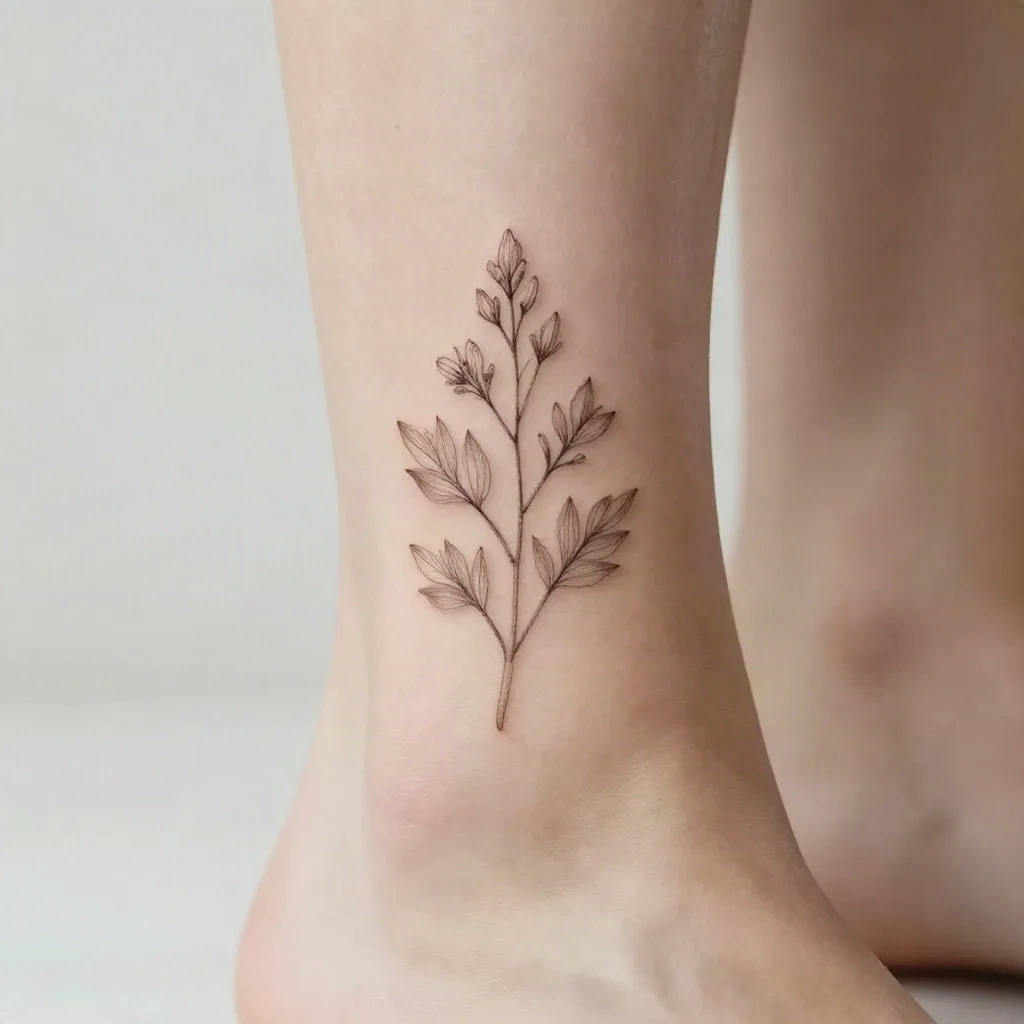
Seeing a design previewed on your own body before booking changes the conversation. Tools like inke.app let you see how a design sits on your specific proportions, so you can compare placements side by side before spending time in the chair. A fine-line botanical piece might look right on both the forearm and the inner arm until you see how the taper actually reads at each location.
The pain chart tells you what to expect physically. The visual preview tells you whether the placement works aesthetically. Both matter before you commit.
If you are building a reference library before your consultation, AI image generation tools can help you get from a vague concept to a concrete brief fast. The goal is not to hand your tattooist a finished design. It is to arrive with a specific enough brief that the first session is design time, not explanation time.
For studios managing multiple client consultations, having a workflow for visualizing and iterating on designs before the appointment reduces chair time spent on adjustments.
How to Prepare for a High-Pain Session
If you are committed to a placement that sits high on the pain chart, preparation is not optional.
Sleep and food. Show up rested and fed. Low blood sugar during a session is how clients feel faint, and even minor lightheadedness amplifies perceived pain. Eat a proper meal two hours before. Bring a snack for long sessions.
Communicate with your tattooist. Before the session starts, tell them if you are anxious or if you have had difficult experiences before. A good tattooist adjusts their pacing and gives you structured breaks. This is useful information, not a weakness.
Plan for breaks. Especially on placements over ribs, sternum, or spine. A five-minute break every 60 to 90 minutes lets you reset your breathing and your focus. The total session time barely changes, but the subjective experience changes significantly.
Avoid alcohol. It thins your blood and inflames the skin. You will bleed more, the lines will look less precise, and your aftercare will be harder. Alcohol does not reduce pain the way people assume, and most tattooists will not work on clients who show up having had a drink.
Numbing creams. A realistic option for particularly sensitive placements. They do not eliminate sensation, but they reduce the surface sting for the first one to two hours. Worth discussing with your tattooist in advance, as some prefer not to work on numbed skin due to how it affects texture during shading.
Breathe intentionally. Simple but effective. Slow exhales during needle contact reduce the spike in perceived pain. Most clients with multiple sessions develop a breathing rhythm they rely on. Practice it before you go in.
The Placement Decision Is Yours
The pain chart is a tool, not a veto. Plenty of people have gotten their first tattoo on the ribs and been fine. Plenty have chosen the outer thigh for purely aesthetic reasons and been pleasantly surprised by how manageable the session felt.
What the chart gives you is calibrated expectations. That is the difference between arriving mentally prepared and arriving caught off guard. A placement that reads 7 out of 10 on a generic chart might feel like a 5 for you, given your body composition, your tattooist's technique, and the scale of the piece. Or it might feel like a 9.
No chart replaces an honest conversation with your tattooist before booking. Show them your reference. Tell them your situation. Ask what to expect for that specific placement at that specific scale. They have seen enough sessions to give you a real answer.
The ai handles the visualization. The tattooist handles the needle. You make the call.