Tattoo Numbing Cream: Does It Work and Is It Worth It?
Summary
Tattoo numbing cream with 4-5% lidocaine reduces pain significantly when applied correctly under plastic wrap for 45-60 minutes. Epinephrine-based formulas last longer but make skin firmer. Tell your tattooist before the session. You will still feel pressure and vibration, but the sharp sting is mostly gone. Healed results are identical to sessions done without cream, provided the skin is wiped clean before the needle starts.
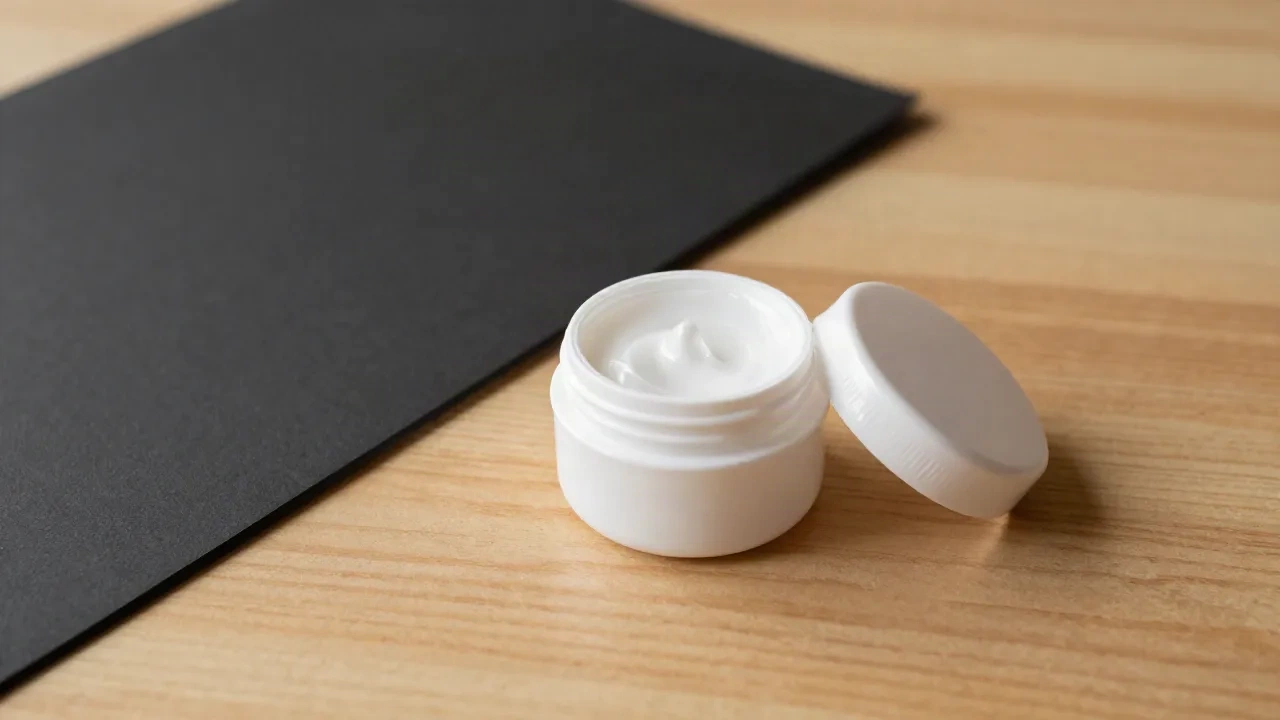
Tattoo numbing cream does work. The catch is that most people apply it wrong, pick a formula that fades in 40 minutes, or forget to tell their tattooist it's on. Lidocaine-based creams at 4-5% concentration block nerve signals in the treated skin, reducing the sharp sting of the needle significantly. The pressure, vibration, and heat remain. But for placements you'd otherwise dread, a properly applied numbing cream changes the experience entirely.
What Tattoo Numbing Cream Actually Does to Your Skin
Lidocaine works by blocking sodium channels in the nerve endings just beneath the skin's surface. Sodium channels are what allow nerve cells to fire, sending a pain signal up through the dermis toward your brain. When lidocaine occupies those channels long enough, the signal does not pass through cleanly. You lose the sharp, stinging sensation while your nervous system still registers pressure and movement.
The depth matters. A topical cream only penetrates the epidermis and the very upper dermis. Tattoo needles go deeper than a surface anesthetic reaches, which is why numbing cream reduces pain but does not eliminate it. Understanding that distinction before your session saves you from feeling let down mid-appointment.
The effect typically lasts between one and four hours depending on formulation. A standard 4-5% lidocaine product without any vasoconstrictor gives you a solid 60-90 minutes of meaningful numbing. After that, sensation returns incrementally, not all at once, so you can read the change coming.
The Ingredients That Actually Make a Difference
Not all numbing products use the same chemistry. Three active ingredients appear most frequently, and their differences matter in practice.
Lidocaine is the base of almost every product you will find over the counter. At 4-5% concentration it gives a strong initial block. Dr. Numb uses 5% lidocaine only, which delivers a potent surface effect but can fade within 90 minutes without a secondary compound to extend the window.
Prilocaine appears alongside lidocaine in EMLA cream, one of the most clinically tested products available. EMLA uses a eutectic mixture of 2.5% lidocaine and 2.5% prilocaine. The combination lowers the melting point of both compounds, making skin absorption more efficient than either ingredient alone. The tradeoff is that the combined concentration is lower than a straight 5% lidocaine product, so the initial sensation of numbness may feel less total.
Epinephrine is the ingredient that makes some formulas last significantly longer, sometimes up to four hours. It works as a vasoconstrictor, narrowing blood vessels under the skin and slowing the dispersal of the lidocaine. The side effect is that it makes skin firmer and can affect how ink settles during the session. For sessions running three hours or more, the extended window may justify the tradeoff. For shorter work, it is usually unnecessary.
Avoid anything sold without clear ingredient labeling. Some products circulating on marketplaces list "numbing blend" or "proprietary formula" without disclosing concentrations. You need to know exactly what is on your skin.
The Only Application Method That Actually Works
The most common mistake is applying cream and then waiting without covering it. Plastic wrap is not optional.
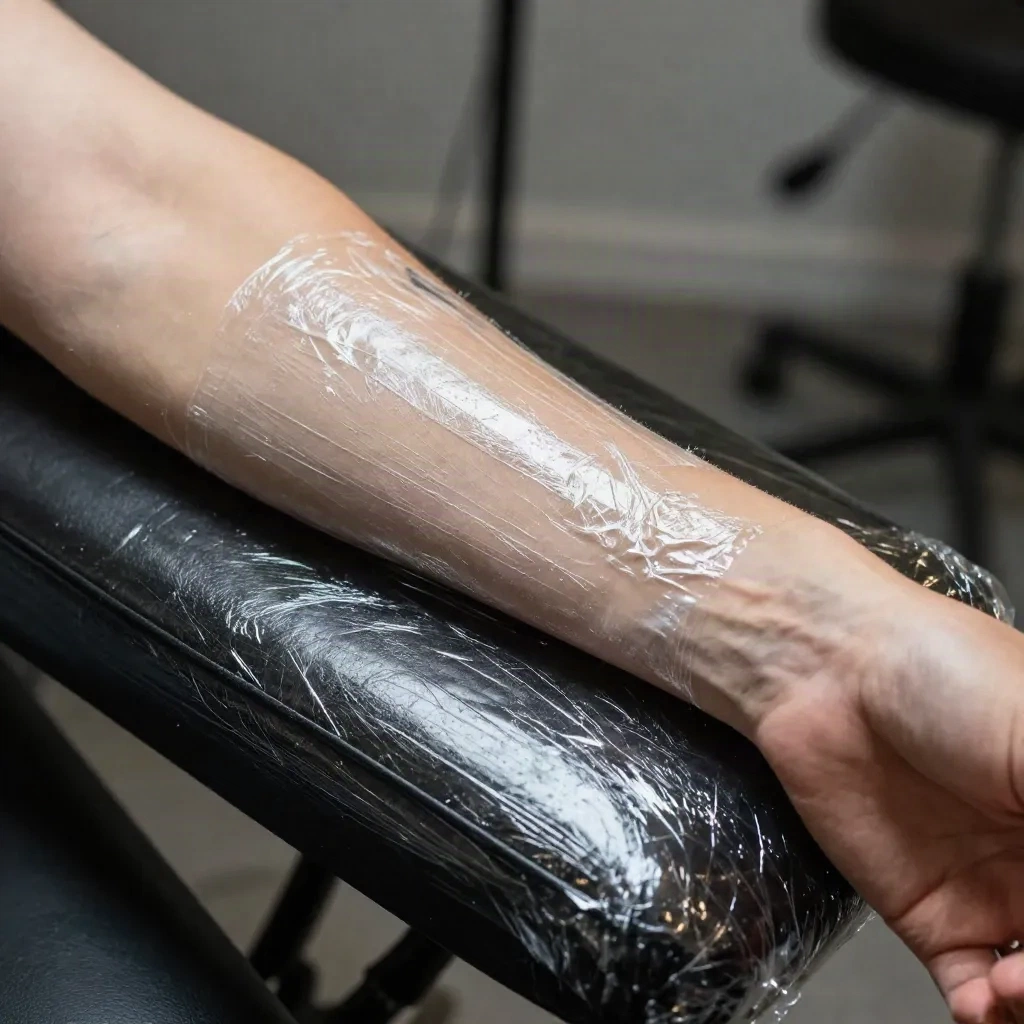
Cling film creates an occlusive seal that raises the local skin temperature slightly and forces the lidocaine deeper into the tissue. Without it, the active ingredient stays largely on the surface, evaporates, or disperses before it penetrates. Most of the numbing effect you expect simply does not happen.
The correct sequence:
Wash the area with soap and water, then dry completely. Any oil, lotion, or residue on the skin blocks absorption.
Apply a generous layer of cream at least 1-2mm thick, covering the entire area to be tattooed plus a small margin.
Cover immediately with plastic wrap and seal tightly on all sides.
Wait 45-60 minutes. Ninety minutes gives better penetration for thicker skin placements.
Remove the wrap and wipe the skin completely clean before the session starts.
That last step is critical. Residual cream on the surface during tattooing can affect how ink adheres to the skin. Your tattooist should be working on clean, dry skin, not on a surface still coated with product.
Do not apply at home and arrive at the studio still wrapped, unless you have confirmed the timing with your tattooist in advance and agreed on when the wrap comes off. Communication before the appointment, not at the door.
Why Tattoo Artists Used to Hate It, and Why Most Have Come Around
The reputation problem with numbing cream came from early oil-based products that made skin spongy and extremely difficult to stretch. A tattooist works skin like fabric, pulling it taut to get clean line placement. When cream-swollen skin became rubbery and wouldn't hold tension, lines bled, ink spread unevenly, and artists had to fight against what was under the needle.
That critique was fair for those products. It is less fair for modern water-based lidocaine formulas applied correctly and removed before the session starts.
A 2023 survey of professional tattoo artists found that the majority were comfortable with clients using numbing cream, provided they received advance notice. That shift is real. The condition has always been the same: tell your tattooist before the appointment, not when you're already in the chair.
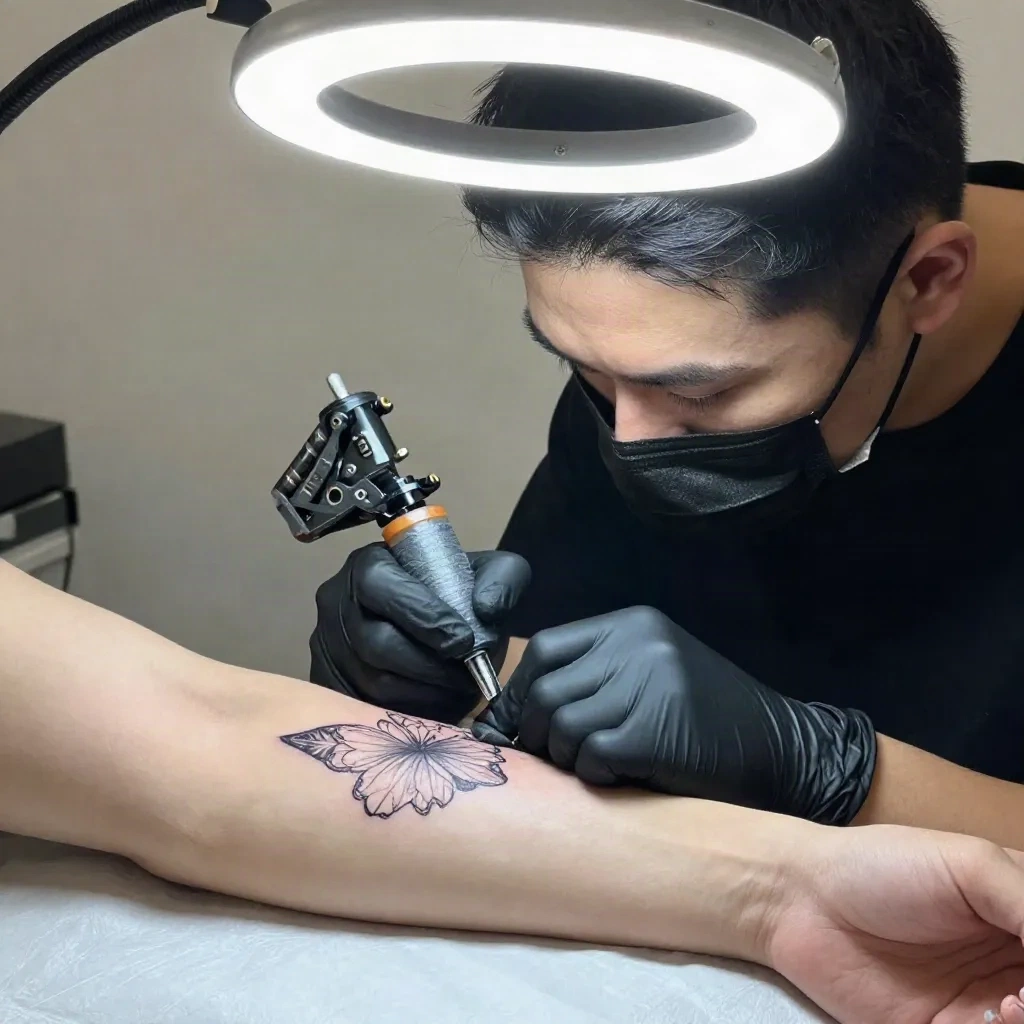
What still makes artists cautious is over-saturated skin, or skin where residue was not fully removed. If the cream is correctly applied and wiped clean before the needle touches the surface, healed results are comparable to sessions without any numbing agent. That is the consistent finding from artists who have worked both ways.
One practical note: when you are numbed, you will not react to pressure the same way. The subtle feedback loop that helps a tattooist adjust technique in real time is reduced. A good artist adapts to this. It is worth telling them upfront that it is your first time using cream, so they can factor that into their approach.
What You Will Still Feel Even With a Good Cream Applied Right
Managing expectations is part of getting the most out of numbing cream.
Lidocaine blocks the sharp, stinging pain that most people find hardest to sustain. It does not block the mechanical pressure of the handpiece on your skin, the vibration that moves through the muscle, or the heat generated by multiple passes over the same area. Long sessions often produce a deep, aching sensation after 60-90 minutes that topical anesthetics do not address.
Sensitive placements, ribs, sternum, feet, inner arm, still register the needle's action because those sensations travel through pressure receptors that surface creams do not block. The sharp sting is gone, which is already a significant improvement. But if you are expecting a completely pain-free experience, you will still be surprised by what remains.
That surprise is manageable. The combination of reduced sting and intact pressure sensation is much easier to work through than the unmodified experience. Most clients describe numbed sessions as tedious rather than painful. For long-format work, that shift matters.
How to Pick the Right Formula for Your Session Length
For sessions under two hours, a water-based 5% lidocaine product applied with proper occlusion is sufficient. Products like Dr. Numb, TKTX, and Hush Anesthetic are widely used. Apply 60 minutes before the session, wipe clean at the start.
For sessions running two to four hours, consider an epinephrine-containing formula for the extended window. Discuss this with your tattooist first, as some artists prefer not to work with vasoconstrictors on certain placements. Get their view before you buy.
EMLA is a reliable starting point if you are new to numbing cream and want something with a strong clinical track record. The dual-ingredient formulation tends to be gentler and less likely to produce skin reactions than high-concentration single-agent products. If you have sensitive skin or a history of reactions to anesthetics, EMLA is the safer first choice.
The Placements Where Numbing Cream Is Genuinely Worth the Prep
The prep time for numbing cream takes at least 45-60 minutes. For a small, fast piece on a fleshy area, that prep window likely exceeds the session itself. The calculation does not favor numbing for quick work.
Large-format pieces are different. Chest panels, back pieces, rib panels, and full-sleeve sessions running three hours or more are exactly the scenarios where numbing cream earns its place in your routine. The difference between a draining experience and a manageable one on a five-hour back session is often just a tube of cream applied correctly the hour before.
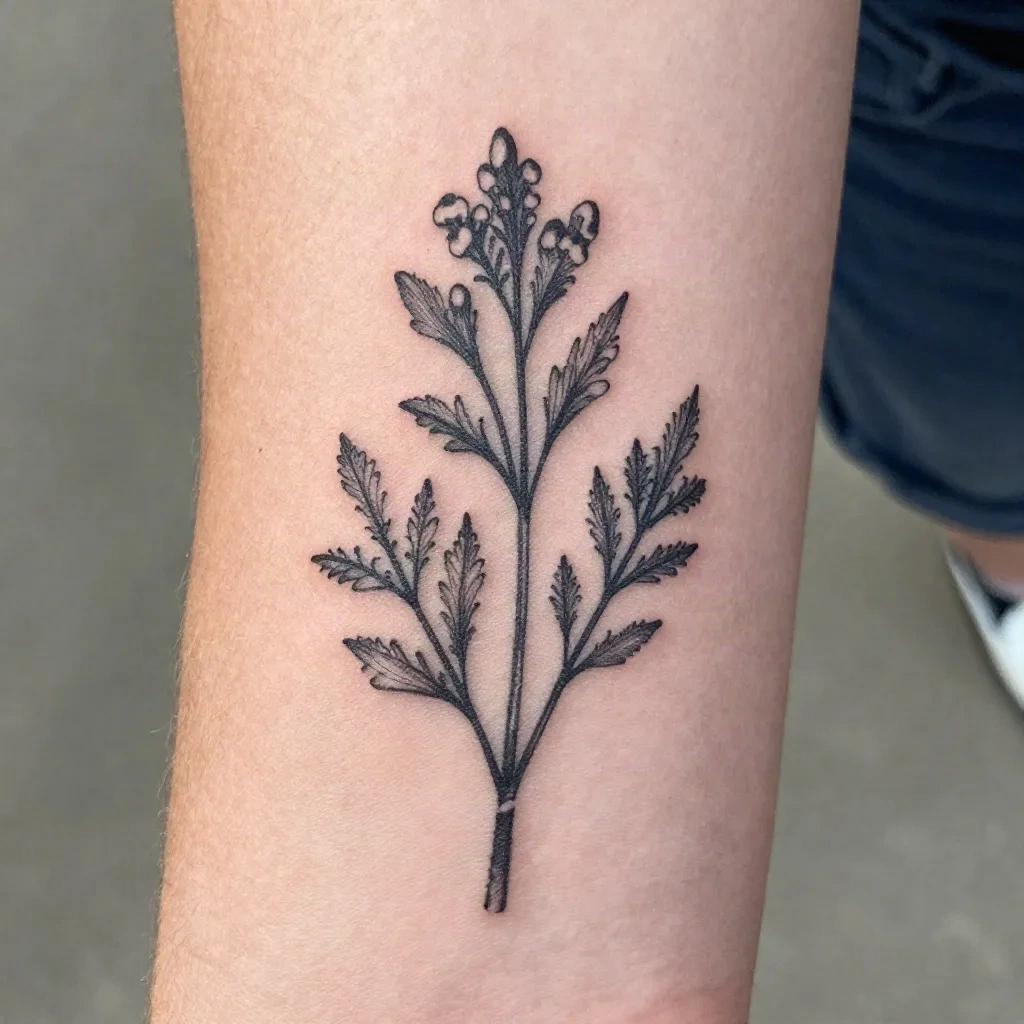
The placements that benefit most clearly: ribs and sternum (high sensitivity, long exposure), inner bicep and inner forearm (thin skin, consistent discomfort), feet and ankles (bones close to surface, no muscle to absorb vibration), behind the knee, and the neck. These are the spots where first-timers tap out before the piece is finished, and where numbing cream keeps the session on track.
One thing worth doing before you commit to a placement and book the session: visualize the design on your actual body. Switching placement mid-session because you're unhappy with the scale or positioning is not an option. Settle that before you sit down.
The technique for a well-planned numbed session is the same as for any session: know the placement, know the duration, talk to your tattooist, do the prep properly. You still need a person with a needle to finish the work. The cream just makes that part significantly easier to sit through.