Tattoo Healing Stages: What Each Week Really Looks Like
Summary
Tattoo healing stages run in four overlapping phases: a tender, weeping first week, a flaky and itchy second week, a dull cloudy stretch around weeks three to four, and slow settling over months. This guide shows what each stage looks like, what to do, and which warning signs mean it is more than normal healing, so you can tell a dull patch from a real problem.
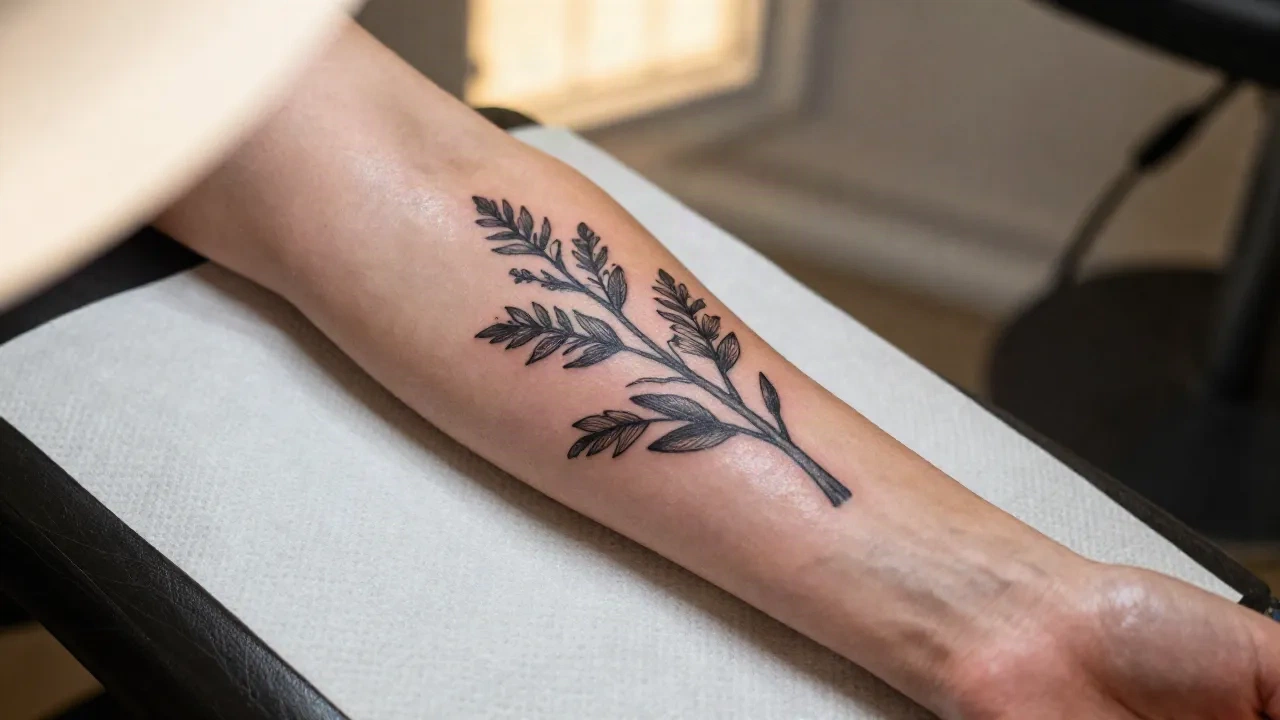
Tattoo healing stages run in four overlapping phases: a weeping, tender first week, a flaky and itchy second week, a dull "cloudy" stretch around weeks three to four, and a slow settling that can take months. The surface usually looks closed after two to three weeks. Underneath, the skin keeps rebuilding for a long time after that. Here is what each stage looks like, and what to do (or not do) while it happens.
Why does a tattoo heal in stages at all?
A tattoo is an open wound. The needle pushes ink into the dermis, and your body reacts like it does to any injury: inflammation first, then new tissue, then a long remodeling phase. Healthline's timeline puts the outer layer at roughly two to three weeks and the deeper layers at up to a year.
That gap is the whole story. Your tattoo can look done at week three and still be changing at month three. Most people judge their ink too early, panic at the dull patch, and call the artist to complain about something that was never a mistake.
My rule after 14 tattoos: never judge a piece before the skin has stopped flaking, and never judge the colors before the cloudy phase is over.
Days 1 to 3: what does a fresh tattoo actually look like?
Red, warm, a bit swollen, and glossy. The skin feels like a sunburn on a small, very specific shape. Some plasma and loose ink seep out, which is why your artist covers the piece with a film or a wrap for the first hours.
Concretely, this is what you do:
Follow the wrap instructions your tattooist gave you. They differ between studios and between wrap types, so the studio's advice beats any blog, this one included.
Wash gently with fragrance-free soap and lukewarm water, pat dry with a clean towel or paper towel, and let the skin breathe for a few minutes.
Use a very thin layer of balm. A thin layer. If it looks wet and shiny, you used too much.
Skip the heavy ointment layer that people smear on "to be safe". A suffocated tattoo stays wet, and a wet tattoo is where trouble starts. This is the first place where aftercare marketing and aftercare reality part ways.
Days 4 to 14: why is it flaking and itching like crazy?
This is the stage that makes people quit being careful. Around day four to seven the redness fades, the tattoo dries out, and thin flakes start to lift. Some pieces form light scabs. Itching tends to peak in the second week, because nerve endings in the skin are regenerating.
Here is where it gets tricky: scratching. A fingernail on a half-healed tattoo pulls out ink and leaves patches that no amount of patience fixes later. Tap the area flat-handed if you have to, or apply a thin layer of balm.
Three things that help:
Moisturize lightly, several times a day, with something unscented. Healthline's guidance is to keep doing this for two to three weeks.
Wear loose clothes. Tight sleeves rub, and rubbing pulls flakes off early.
Leave the flakes alone. They fall off when they are ready. Picking one early is how you get a bald spot in a solid black area.
If you see heavy, thick scabs, you probably washed too roughly, let it dry out completely, or soaked it. Soft, thin flaking is normal. Hard, raised, honey-colored crust is not.
Weeks 3 to 4: is my tattoo faded, or just cloudy?
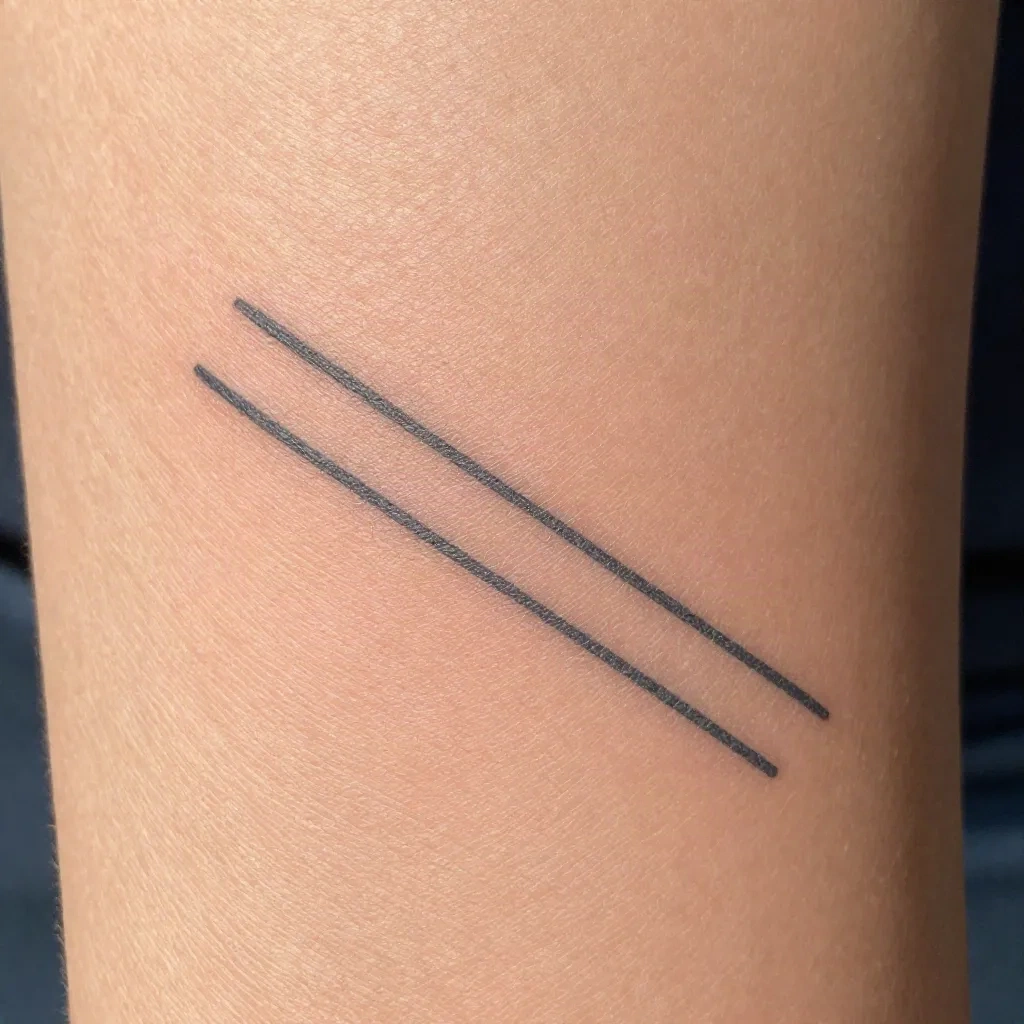
This is the stage nobody warns you about. The flakes are gone, the surface feels smooth, and yet the tattoo looks milky, dull, a little ghosted. Black looks grey. Saturated color looks washed out.
Nothing is wrong. A thin layer of new, slightly dry skin sits over the ink and blurs it, the way a frosted film would. Skin that has just finished peeling needs time and moisture to turn clear again. Give it another few weeks before you panic.
What helps in this phase:
Keep moisturizing. Dry skin reads as dull skin.
Keep it out of direct sun. Fresh tattoos burn easily and sun is the fastest way to fade a piece for real.
Hold off on swimming pools, hot tubs, and long baths until it is fully healed.
The "cloudy" stage is also the moment to take photos in the same light every week. It is the cheapest way to see the progress you cannot see in the mirror.
Month 2 and beyond: when is a tattoo really healed?
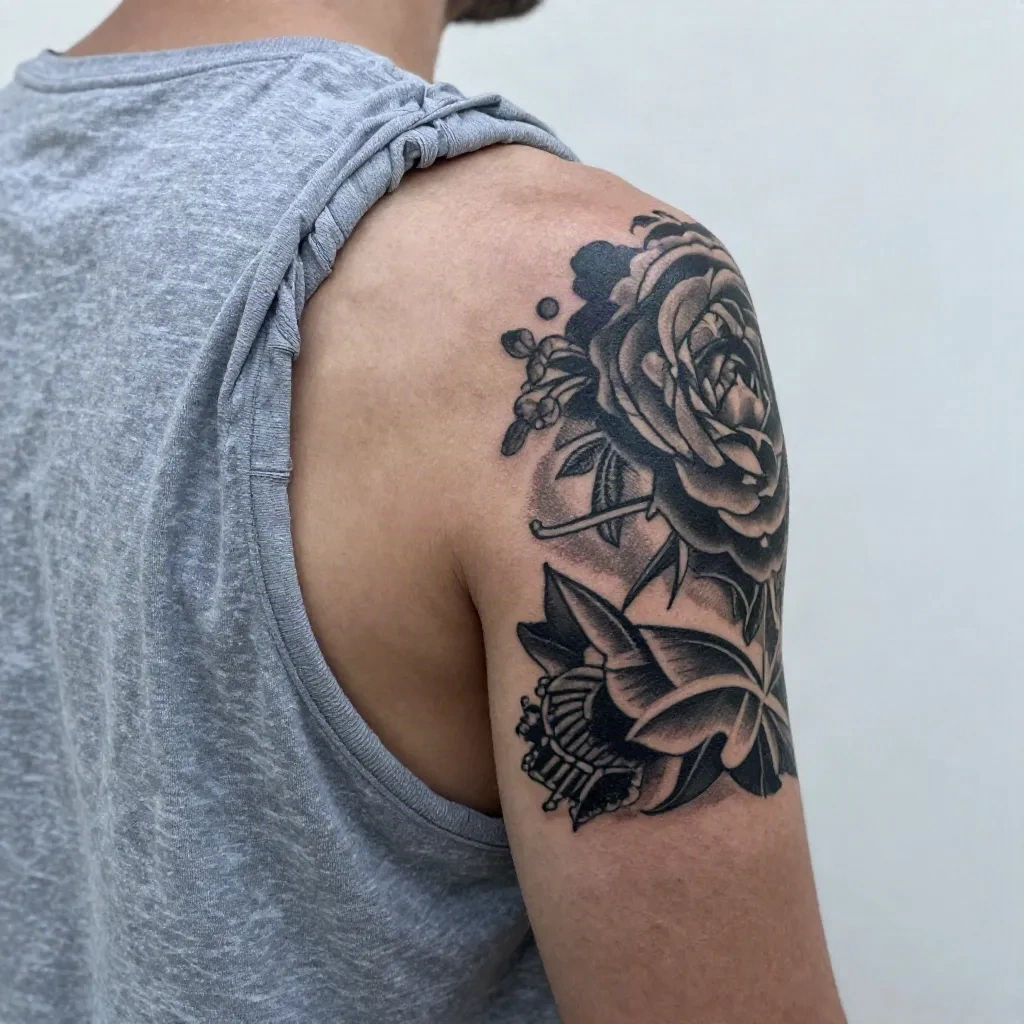
Most surface healing is finished by four to six weeks. At that point there are no scabs, no flaking, the skin is smooth, and the swelling is gone. That is the point where you can start using sunscreen on it and swimming again.
Deeper remodeling carries on for months. Healthline describes the final phase running from about three to twelve months. In practice you will notice it as a slow sharpening: lines that looked soft at week four settle, colors come back, and the tattoo finally looks the way the artist's portfolio promised.
A few honest caveats. Size matters: a palm-sized fineline piece heals faster than a full sleeve session. Placement matters: ribs, feet, and hands heal on their own schedule, often slower, because those areas move and rub all day. Skin matters: dry or reactive skin flakes more and itches longer.
Does placement change the healing stages?
It changes the speed and the drama. Inner forearm and upper arm are the easy ones: little friction, good blood flow, predictable flaking. Ribs, ankles, feet, hands, and fingers are harder. They stretch, rub against fabric or shoes, and get washed constantly, so peeling is rougher and fine detail can blur.
If you are choosing between two spots, ask your artist which one will heal cleaner for that specific design. A thin script line on a knuckle and the same line on a calf are two different healing projects. Dry or sensitive skin also flakes more and itches longer, so tell your artist before the session, not after.
What actually matters in aftercare (and what is marketing)?
Here is the short list. It is shorter than the shelf at the pharmacy would have you believe.
Clean hands, clean water, plain soap. That covers most of it.
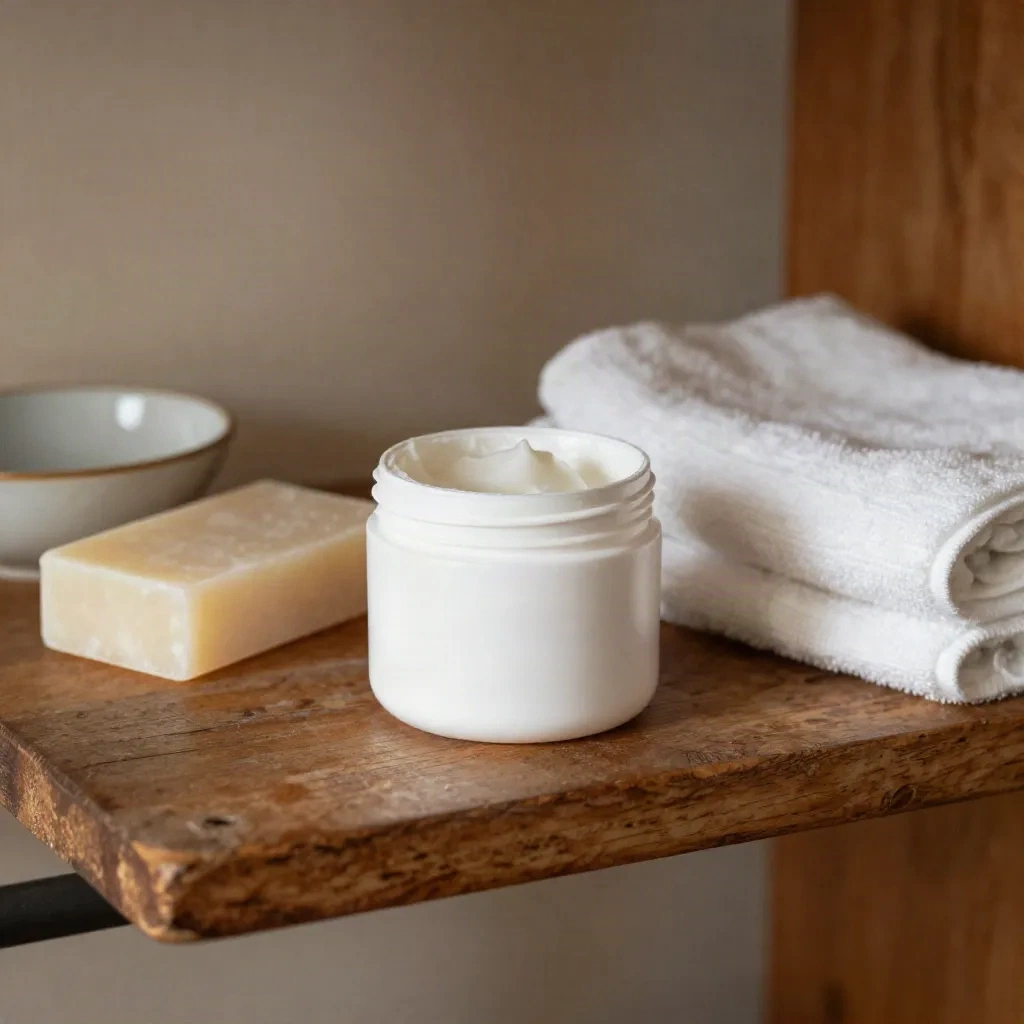
A thin layer of unscented moisturizer or the balm your artist recommends. One product is enough.
No picking, no scratching, no soaking.
No sun until it has fully healed, then sunscreen forever.
What you can skip: scented lotions, "miracle" healing oils with a long ingredient list, and anything that promises to "restore" your ink. Be extra suspicious of any product that sells itself as eco or organic without a source. That label is doing marketing work, not skin work.
When is it more than normal healing?
Itching, redness, and flaking are normal. These are not:
Pus or fluid that keeps oozing after the first days
Redness that spreads outward, or red streaks leaving the tattoo
Fever or chills
Swelling that gets worse instead of better
Raised, bumpy patches that appear weeks later in only one color
Those are reasons to call a doctor, not to wait and see. Healthline lists prolonged swelling, itching, discoloration, oozing, fever, and scarring as the red flags. Your tattooist can look at a healing piece and tell you whether the issue is technique, aftercare, or an allergy, so send them a photo early. If your tattooist will not look at a healing photo, find another one.
Can you plan around the healing stages before you even book?
Yes, and it is the part people skip. The healing process changes how a design looks on skin: fine lines soften, tiny details close up, pale colors go dull, and placement decides how much friction the piece gets while it settles.
So it is worth seeing the idea on your body before you commit. Here are three tools worth knowing:
Inke generates a flash sheet of variants and lets you preview the piece on a photo of your own skin. It will not replace the person with the needle, and it cannot tell you how your arm will heal. You still need a human with a needle to finish the job. What it does well is help you walk into the consultation with something concrete.
InkHunter does live augmented reality try-on: you point your phone at your arm and move around. Good for checking size and placement from several angles, which matters because a design that looks right standing still can look wrong when you bend your elbow.
BlackInk AI is another generator worth a look if you are still at the idea stage and want to compare styles quickly. Treat anything it produces as a sketch to discuss, not a finished stencil.
None of these tell you how the piece will heal. Only your artist can say that, based on the style, the line weight, and where it sits on your body. Ask them to show you healed photos of similar work. If they cannot, that tells you something.
Should you worry about the dull phase or just wait it out?
Wait it out. Most "my tattoo faded" panic happens between weeks two and four and resolves by itself. Take a photo, moisturize lightly, stay out of the sun, and check again in a month.
If the lines are still patchy or the color is still missing at six to eight weeks, that is a normal moment for a touch-up, and many studios offer a free or discounted touch-up within a set window, so ask yours. Book it once the skin is fully healed, not before.